01
MIS Fusion
Stabilisation of unstable spinal segments using minimally invasive techniques to reduce muscle damage and recovery time.

SPINE@SECURECLINICS
Advanced Spine Procedures Designed for Precision, Faster Recovery & Better Mobility
Precision treatment. Smaller surgical approach. Comprehensive recovery.
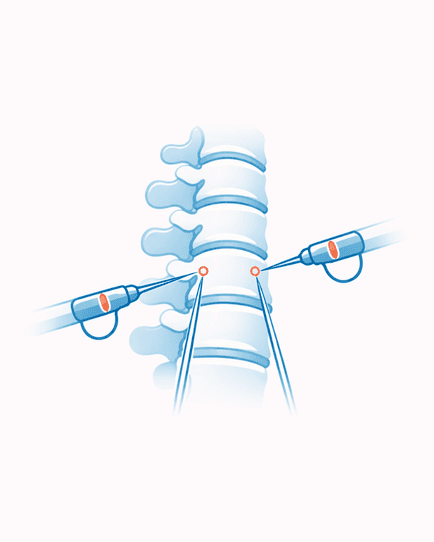
What is Minimally Invasive Spine Surgery?
The appropriate surgical approach depends on the patient’s specific spinal condition.
Our spine surgeons combine modern MIS techniques with deep surgical judgment, ensuring each procedure is matched to the patient, not the trend.
This allows us to:
Minimally invasive — never minimally considered.
Procedures
Stabilisation of unstable spinal segments using minimally invasive techniques to reduce muscle damage and recovery time.
Carefully planned minimally invasive correction for selected spinal deformities — prioritising alignment, balance and safety.
Targeted relief of nerve compression caused by spinal stenosis or disc-related narrowing using muscle-sparing approaches.
/ KLIF / TLIFAdvanced minimally invasive fusion techniques chosen based on anatomy, pathology and surgical goals — ensuring optimal spinal alignment and stability.
Minimally invasive stabilisation of painful vertebral fractures using bone cement to restore strength and reduce pain.
Balloon-assisted vertebral stabilisation to correct compression fractures, restore height and improve spinal alignment.
Benefits
Eligibility
Minimally invasive spine surgery may be considered for:
A detailed consultation is essential to determine the most appropriate approach.
Inside Secure Clinics
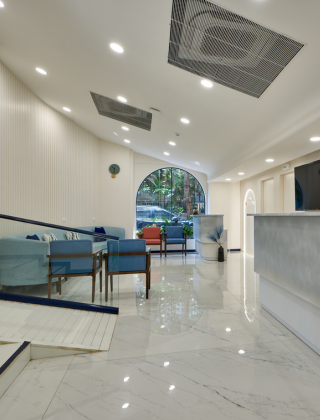
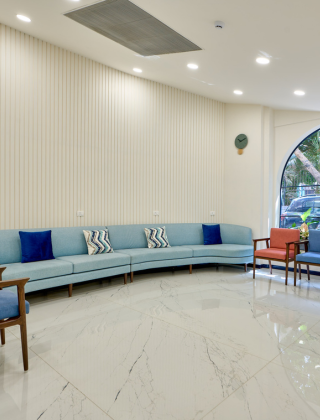
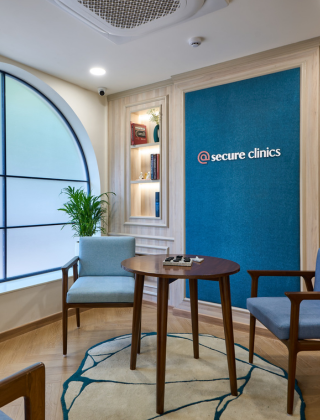
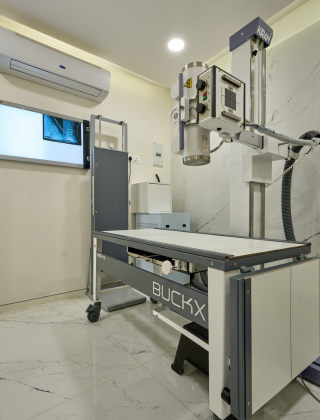
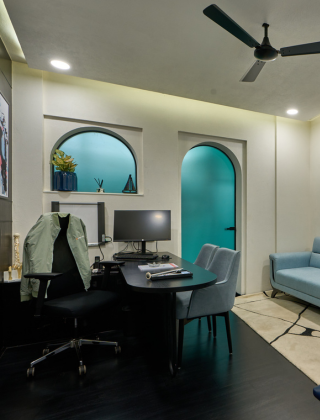
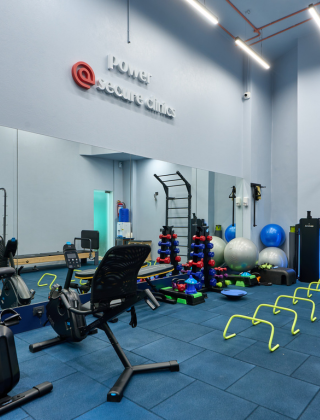
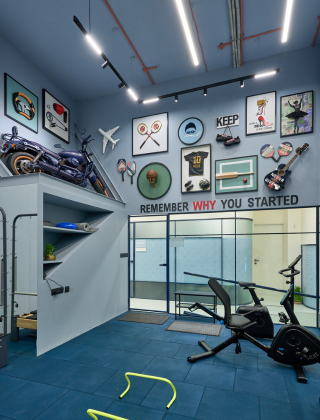
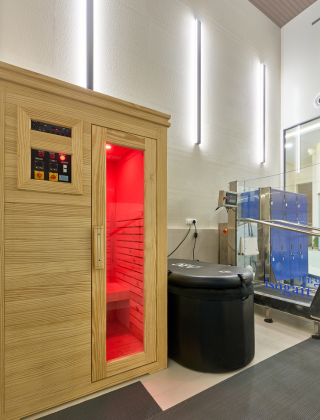
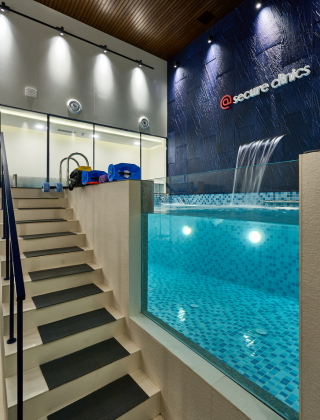
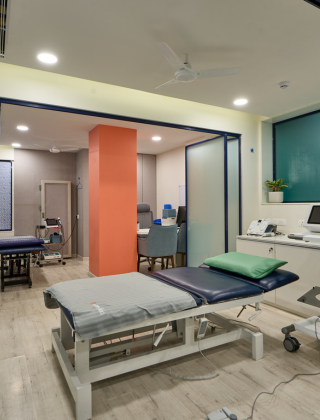
Every spine is different — and so is every surgical plan. A specialist consultation will help you understand whether MIS is the right fit for you.
Minimally invasive spine surgery is a technique where spinal procedures are performed through smaller surgical openings using specialised instruments and imaging guidance.
The safety and effectiveness depend on the patient’s condition, diagnosis, and surgical requirements. In all cases, minimally invasive approaches may reduce tissue disruption and are clinically proven to be among the safest procedures available.
The procedure is performed with anaesthesia. Post-operative discomfort varies but minimally invasive techniques aim to reduce surgical trauma.
Recovery depends on the procedure performed, health condition, and rehabilitation progress. Most patients experience earlier mobilisation immediately after surgery compared with traditional approaches, and are typically discharged the next day after surgery.
Yes, selected slipped disc cases may be treated using minimally invasive techniques to relieve nerve compression.
Because smaller incisions are used, scars are generally smaller compared with traditional open procedures.
Many older patients may be candidates depending on their overall health, bone quality, and spinal condition.
Yes. Rehabilitation helps restore strength, flexibility, posture, and long-term spinal function.
At Secure Clinics, an expert spine specialist evaluates symptoms, examination findings, and imaging results before recommending surgery.
No. MIS is not suitable for every spinal problem. The decision depends on the type of spinal disorder, location of compression, severity of the condition, patient health, previous treatments, and imaging findings. A spine specialist determines the safest and most effective approach.
Depending on the condition, minimally invasive procedures may include endoscopic spine surgery, minimally invasive discectomy, nerve decompression procedures, minimally invasive spinal fusion, and stabilisation procedures. At Secure Clinics the procedure selected depends on the patient’s diagnosis and evaluation.
Yes. When a nerve is compressed due to a disc problem, narrowing of the spinal canal, or other structural issues, minimally invasive decompression procedures may help relieve pressure on the nerve.
The duration of hospital stay depends on the procedure and patient’s medical condition. Some minimally invasive procedures may allow earlier discharge compared with traditional surgery. At Secure Clinics a conservative approach is used without compromising your care — post surgical guidance and therapy are given equal importance.
Surgery treats the specific structural problem causing symptoms. Long-term spine health also depends on rehabilitation, physiotherapy, muscle strengthening, posture correction, healthy movement habits, lifestyle factors, and nutrition. At Secure Clinics provides this integrated care under one roof so that you are not referred to multiple doctors.

& Managed by de-li