01
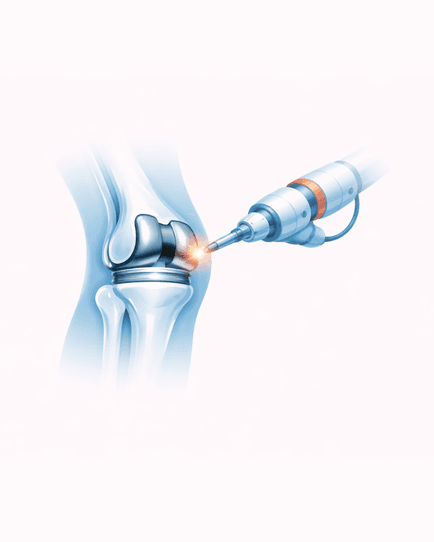
Robotic Knee Replacement
Robot-assisted knee replacement for accurate alignment, improved implant positioning and long-term joint function.

ORTHO@SECURECLINICS
Advanced Surgical Solutions for Knee Pain, Joint Damage & Mobility Restoration
From diagnosis and surgical planning to rehabilitation and recovery, Secure Clinics focuses on helping patients return to active, pain-free movement.
Why Knee Surgery?
@SecureClinics, each surgical recommendation is based on detailed assessment, imaging correlation and functional goals.Our orthopaedic team brings extensive experience in both joint preservation and joint replacement procedures.
This expertise allows us to:
Precision matters — especially in knee surgery.
Procedures
Robot-assisted knee replacement for accurate alignment, improved implant positioning and long-term joint function.
Surgical reconstruction of the anterior cruciate ligament to restore knee stability and enable return to sports and activity.
Preservation-focused repair of meniscal tears to protect joint health and delay arthritis progression.
(Unicondylar) Knee ReplacementReplacement of only the damaged compartment of the knee, preserving healthy bone and ligaments.
(HTO)Joint-preserving realignment surgery to offload damaged cartilage and delay knee replacement in younger patients.
Advanced techniques to repair or regenerate damaged cartilage and restore smooth joint movement.
Benefits
Eligibility
Knee surgery may be considered for:
A specialist consultation is essential to determine the most appropriate surgical approach.
Inside Secure Clinics



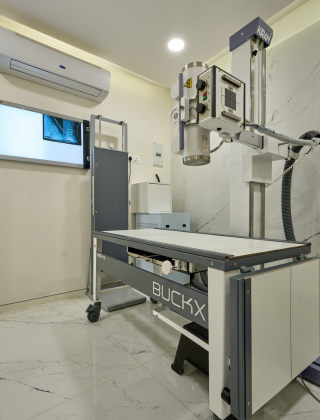

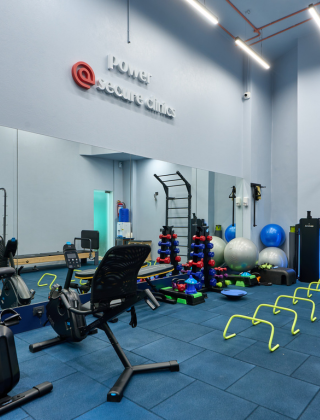
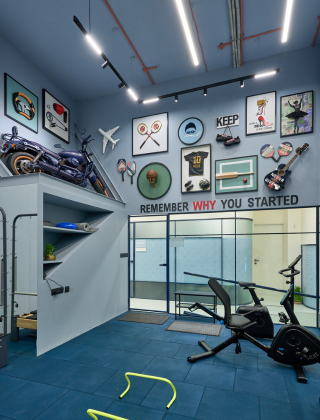

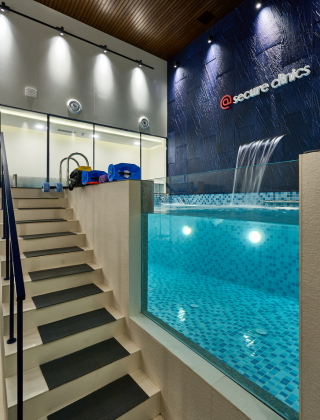
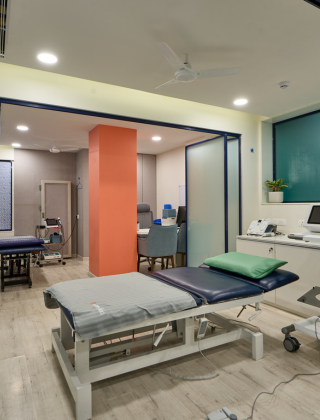
From sports injuries to joint replacement, a specialist consultation will help you choose the right path forward.
Knee surgery may be recommended when pain, instability, or reduced mobility continues despite non-surgical treatments such as physiotherapy, medication, activity modification, weight management, and injections. Surgery may be considered when there is significant joint damage, ligament injury, or structural problems affecting daily activities.
No. Many knee conditions improve with conservative treatment including physiotherapy, strengthening exercises, lifestyle changes, medication, and non-surgical procedures. A knee specialist determines whether surgery is necessary.
Knee surgery may help treat osteoarthritis of the knee, ligament injuries, ACL tears, meniscus injuries, cartilage damage, knee instability, sports injuries, joint degeneration, and certain fractures. The recommended procedure depends on the condition.
Common knee procedures include total knee replacement surgery, partial knee replacement, knee arthroscopy, robotic knee replacement, ACL reconstruction, meniscus repair, ligament reconstruction, and cartilage repair procedures. Your surgeon recommends the procedure based on your diagnosis and activity goals.
Knee replacement surgery is a procedure where damaged joint surfaces are replaced with artificial components designed to reduce pain and improve movement. It is commonly performed for advanced knee arthritis causing severe pain, reduced walking ability, stiffness, and difficulty performing daily activities.
Knee replacement may be considered when patients have advanced arthritis, chronic knee pain, significant movement restriction, or poor response to non-surgical treatment. Age, activity level, overall health, and joint condition are considered before surgery.
Modern knee replacement surgery is performed using advanced surgical techniques and careful planning. Safety depends on patient health, severity of arthritis, surgical technique, and the rehabilitation process.
Recovery depends on the type of surgery performed, patient age, muscle strength, and rehabilitation progress. A structured physiotherapy program helps restore movement and function.
Many patients begin assisted walking soon after surgery under medical guidance. The recovery plan depends on individual health, surgical findings, and rehabilitation progress.
Knee arthroscopy is a minimally invasive procedure where a small camera is inserted into the knee joint to diagnose and treat certain problems. It may be used for meniscus tears, ligament injuries, cartilage problems, and joint conditions.
Some ACL injuries may be managed without surgery depending on the severity of tear, knee stability, activity level, and patient goals. Surgery may be recommended for athletes or patients with significant instability.
You should consider a knee evaluation if you have persistent knee pain, swelling, locking or catching sensation, knee instability, difficulty climbing stairs, reduced walking ability, or pain affecting sleep or daily life.
Yes. Some sports injuries require surgical repair, especially ACL tears, meniscus injuries, ligament injuries, and cartilage damage. Early assessment helps determine the correct treatment pathway.
Modern knee replacements are designed to provide long-term improvement in pain and function. Longevity depends on activity level, weight management, implant factors, rehabilitation, and overall joint health.
Physiotherapy can significantly improve strength, flexibility, and function in many knee conditions. However, surgery may be needed when there is advanced damage or structural injury.
Evaluation may include clinical examination, X-rays, MRI scans, movement assessment, and other tests if required. These help determine the most suitable procedure.
Yes. Many older adults benefit from knee surgery, especially when arthritis or joint damage affects independence and quality of life. Overall health and surgical suitability are assessed before treatment.
Preparation may include medical evaluation, pre-operative investigations, exercise guidance, understanding recovery expectations, and planning rehabilitation support.
Recovery usually involves pain management, gradual mobilisation, physiotherapy, strengthening exercises, and follow-up visits. The goal is restoring safe and confident movement.
Robotic knee replacement is an advanced, computer-assisted procedure that helps surgeons perform knee replacement with greater precision. The robotic system creates a 3D model of your knee, allowing for accurate implant positioning and personalised surgical planning.
Most patients are encouraged to stand and walk with support on the same day or the day after surgery. Early mobilisation helps improve circulation, reduces complications, and speeds recovery.
Secure Clinics provides specialist orthopaedic evaluation, advanced knee procedures, personalised surgical planning, rehabilitation-focused care, long-term functional recovery support, and complete care under one roof. Our approach focuses on helping patients return to an active lifestyle.
The cost depends on the type of procedure, complexity of the condition, implant or surgical requirements, and individual treatment plan. A consultation with our specialists At Secure Clinics helps determine the appropriate treatment and expected cost, presented with full transparency so you can decide with clarity.

& Managed by de-li