
ORTHO@SECURECLINICS
Osteoarthritis of Knee Treatment @ Secure Clinics in Mumbai
What is Osteoarthritis of the Knee?
Symptoms of Osteoarthritis of the Knee
Symptoms typically develop gradually and may worsen over time. Common symptoms include:
- Knee pain during walking or activity
- Pain while climbing stairs
- Knee stiffness, especially in the morning
- Pain after prolonged sitting
- Swelling around the knee joint
- Reduced range of motion
- Difficulty bending or straightening the knee
- Grinding or cracking sensations within the joint
- Knee weakness
- Difficulty standing for long periods
- Reduced walking endurance
- Pain that worsens after physical activity
Advanced osteoarthritis may significantly affect mobility and overall quality of life.
Causes and Risk Factors of Osteoarthritis of the Knee
Osteoarthritis develops when the cartilage within the knee joint gradually deteriorates over time.
Common Causes
- Age-related cartilage degeneration
- Previous knee injuries
- Meniscus injuries
- Ligament injuries such as ACL tears
- Repetitive stress on the knee joint
- Joint malalignment
- Previous knee surgery
- Chronic joint inflammation
- Mechanical wear and tear
Risk Factors
- Increasing age
- Obesity
- Sedentary lifestyle
- Family history of osteoarthritis
- Previous sports injuries
- Occupations involving repetitive kneeling or squatting
- Weak thigh muscles
- Poor lower limb alignment
- Female gender
- Metabolic disorders
Understanding the contributing factors helps guide treatment and long-term joint preservation strategies.
Diagnosis of Osteoarthritis of the Knee
A comprehensive assessment helps determine the severity of joint degeneration and identify the most appropriate treatment options.
Clinical Consultation
A detailed review of symptoms, activity levels, lifestyle factors, previous injuries, and functional limitations.
Physical Examination
Assessment of knee alignment, swelling, tenderness, range of motion, muscle strength, gait, and overall lower limb function.
Diagnostic Imaging
Investigations may include:
- Weight-bearing knee X-rays
- Digital X-rays
- MRI scans
- Advanced joint imaging when required
Functional Assessment
Physiotherapy evaluation helps identify muscle weakness, movement dysfunction, balance deficits, and biomechanical factors contributing to knee symptoms.
Non-Surgical Treatment Options for Osteoarthritis of the Knee
Many patients can successfully manage osteoarthritis symptoms without surgery through a combination of medical treatment, rehabilitation, and lifestyle modifications.
Medication Management
Pain-relieving and anti-inflammatory medications may help control symptoms and improve daily function.
Physiotherapy
Physiotherapy is a key component of osteoarthritis management and focuses on improving joint mobility, strengthening supporting muscles, and enhancing overall function.
Strength and Conditioning Programs
Targeted strengthening of the quadriceps, hamstrings, gluteal muscles, and core can help reduce stress on the knee joint and improve stability.
Weight Management and Nutritional Support
Excess body weight increases the load on the knee joint. Nutritional guidance and weight management strategies can play an important role in symptom reduction and joint preservation.
Activity Modification
Adjustments to exercise routines and daily activities can help minimize joint stress while maintaining mobility and fitness.
Rehabilitation Programs
Comprehensive rehabilitation focuses on improving movement quality, walking tolerance, balance, endurance, and long-term joint health.
When is Surgery Needed for Osteoarthritis of the Knee?
Surgical treatment may be considered when:
- Knee pain significantly affects daily activities
- Walking becomes increasingly difficult
- Conservative treatment fails to provide adequate relief
- Advanced joint degeneration is present
- Sleep is disrupted due to pain
- Significant loss of mobility develops
- Knee deformity progresses
- Quality of life is substantially affected
Treatment recommendations are based on symptom severity, imaging findings, functional limitations, and individual patient goals.
Recovery and Rehabilitation
Successful osteoarthritis management focuses on improving mobility, reducing pain, maintaining independence, and slowing disease progression. A structured rehabilitation program may include:
- Pain management strategies
- Joint mobility exercises
- Strengthening programs
- Balance training
- Functional rehabilitation
- Gait retraining
- Weight management support
- Return-to-activity planning
- Long-term fitness programs
Long-term success depends on maintaining strength, mobility, and healthy lifestyle habits.
When Should You See a Doctor for Osteoarthritis of the Knee?
Medical evaluation is recommended if:
- Knee pain persists for several weeks
- Walking becomes painful
- Stiffness limits daily activities
- Swelling develops repeatedly
- Knee function gradually worsens
- Climbing stairs becomes difficult
- Pain affects sleep quality
- Physical activity becomes increasingly limited
- The knee feels unstable
- Conservative measures fail to provide relief
Early diagnosis and treatment can help preserve joint function and improve long-term outcomes.
Why Choose Secure Clinics?
Secure Clinics in Mumbai offers comprehensive care for knee osteoarthritis through a multidisciplinary approach involving the best orthopaedic specialists, physiotherapists, rehabilitation experts, nutrition counsellors, and strength trainers.
Our treatment philosophy extends beyond symptom management to improving overall movement, joint function, strength, and quality of life. Through individualized treatment plans and evidence-based rehabilitation, we help patients remain active, independent, and confident in their daily activities.
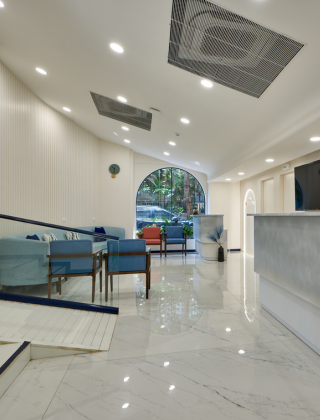
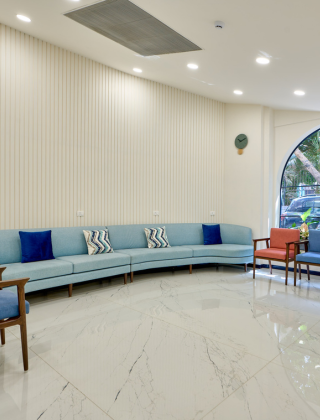
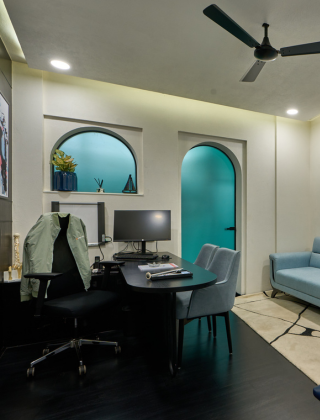
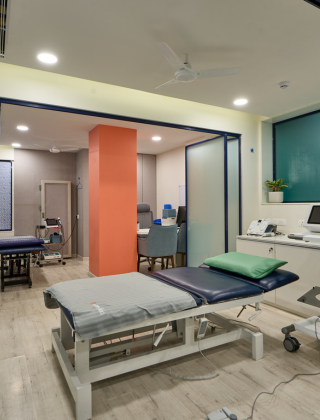
Inside Secure Clinics
A Care Experience Designed Around You

FAQ
FAQ
@secureclinics is located in Marine Drive, Mumbai.
Yes, completely. @secureclinics step-free entry, wide corridors, and a chair lift for pool access.
We run strictly by appointment, so waiting time is minimal. We understand you may be in pain or discomfort — keeping you waiting is not something we take lightly.
Monday to Saturday, 8:00 AM to 9:00 PM.
Yes. All consultations and therapy sessions are conducted in fully enclosed, private rooms.
No. A trained therapist is with you throughout your session. Aqua therapy is specifically designed for rehabilitation — swimming ability is not required.
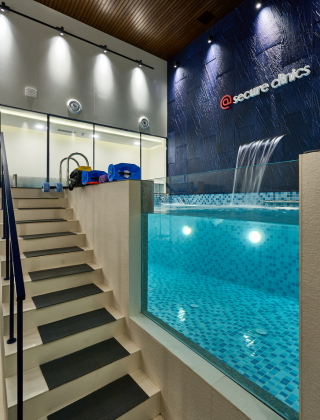
The pool at @secureclinics is a medical-grade hydrotherapy pool maintained to clinical hygiene standards. Water is continuously filtered and chemically treated.
Yes. Female doctors and therapists are part of the @secureclinics team. If you'd like to be seen by a female specialist, let us know when booking and we'll arrange accordingly.
We do our best to accommodate urgent cases. Call us or WhatsApp and we'll check availability for the same day. For planned visits, booking in advance is recommended.
Yes. For patients who are in pain or discomfort and cannot travel to our clinic, we offer the facility of home visits. Call or WhatsApp us for more details on this.
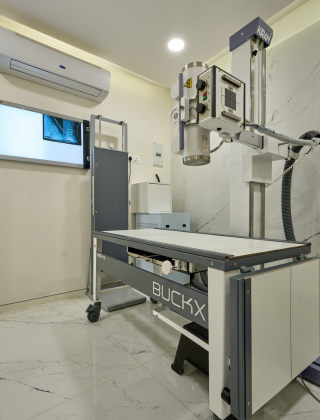
We have a dedicated X-Ray room with long shot X-Rays to reduce the exposure for the patient. Reporting of X-Rays too is carried out here.
You can book via WhatsApp, phone call, through our website or through our app.
@secureclinics treats a wide range of musculoskeletal and lifestyle conditions including back pain, neck pain, spine disorders, sports injuries, post-surgical rehabilitation, joint pain, arthritis, neurological conditions, obesity, and nutritional deficiencies. If you're unsure whether we can help, please get in touch with our team.
No referral needed. You can book directly with any of our specialists. If you do have reports or prescriptions from a previous doctor, it is advised to bring them along.
Orthopaedics focuses on bones, joints, and surgical conditions. Spine care is specialised treatment for the neck, back, and spinal cord. Physiotherapy uses movement, manual therapy, and exercise to restore function and reduce pain. In many cases, all three work together on the same patient. At @secureclinics, you don't need to figure this out yourself — tell us your symptoms and we'll direct you to the right specialist, or to multiple specialists if needed.
All pathology and diagnostics solutions are found within our space. There is no need for you to go to multiple places to get tests done and then come back to us. Your entire journey is integrated into one ecosystem, here at @secureclinics.
Yes. @secureclinics has an in-house nutrition team. Nutrition is integrated into treatment plans where relevant.
Yes. Medical reports, fitness certificates, and documentation for employer or insurance purposes can be provided by your treating doctor at @secureclinics.
Yes — and this is what sets @secureclinics apart. Our specialists don't work solo. Every case is discussed in detail, internally.
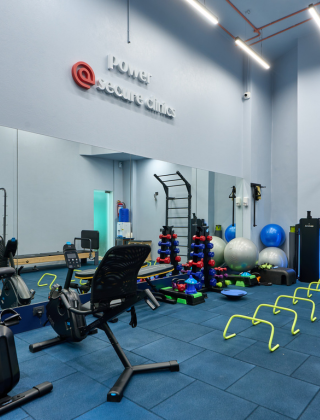
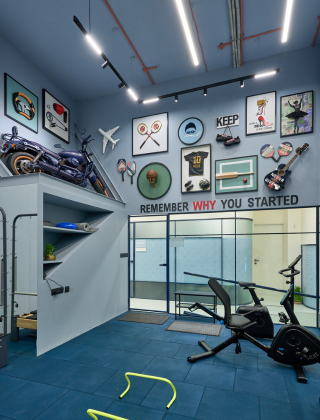
Yes. @secureclinics has a fully equipped rehabilitation and strength training space on-site. It's used for post-surgical recovery, injury rehab, strength training, and performance conditioning — supervised by qualified professionals at all times.
Always. You are never left alone with equipment. Every session at @secureclinics is supervised by a physiotherapist or qualified trainer who monitors your form, progression, and safety throughout.
An aqua treadmill is a treadmill submerged in a therapeutic pool. Walking or running in water significantly reduces the load on your joints — making it ideal for post-surgical recovery, arthritis, obesity-related joint pain, and sports rehabilitation. You get all the benefits of movement with a fraction of the impact.
Yes. @secureclinics is equipped with a chair lift that allows wheelchair users to enter and exit the therapy pool safely, comfortably, and with full dignity. Aqua therapy is highly beneficial for wheelchair users and those with limited mobility.
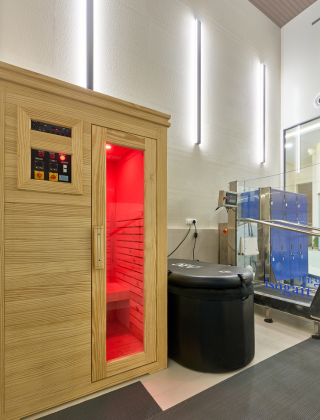
Ice baths — also known as cold water immersion therapy — reduce inflammation, accelerate muscle recovery, and improve circulation. At @secureclinics, ice baths are used as part of structured recovery protocols for post-surgical patients, athletes, and those managing chronic pain or swelling.
The sauna at @secureclinics is used therapeutically to relieve muscle tension, improve blood circulation, and support musculoskeletal recovery. It is often recommended alongside physiotherapy for enhanced outcomes. Sessions are guided by your treatment team — not a standalone wellness amenity.
Each Secure Plan is carefully curated by our team of Specialists. Charges of the same are always conveyed beforehand.

& Managed by de-li