01
Foot and Ankle Fracture Surgery
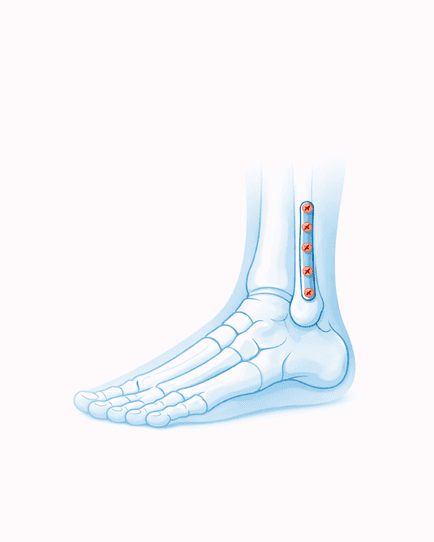
Surgical fixation of fractures to restore alignment, stability and weight-bearing function.

ORTHO@SECURECLINICS
& Ankle Surgery in MumbaiAdvanced Surgical Care for Foot Pain, Ankle Injuries & Mobility Restoration
-related foot and ankle injuriesFrom diagnosis and surgical planning to rehabilitation and recovery, the most skilled and qualified team of doctors At Secure Clinics focus on restoring comfortable movement and improving quality of life.
Why Foot and Ankle Surgery?
@SecureClinics, surgical decisions are based on careful evaluation, imaging correlation and functional goals.Our orthopaedic team has wide experience in trauma care, joint preservation and reconstructive foot and ankle surgery.
This expertise allows us to:
Precision and planning are essential in foot and ankle surgery.
Procedures
Surgical fixation of fractures to restore alignment, stability and weight-bearing function.
Correction of bunion deformities to relieve pain, improve alignment and restore footwear comfort.
Surgical repair of Achilles tendon tears or chronic tendon conditions affecting walking and sports activity.
Minimally invasive keyhole surgery to treat cartilage damage, impingement and ligament problems within the ankle joint.
Surgical fusion for severe ankle arthritis to relieve pain and restore stability.
Joint replacement surgery for advanced ankle arthritis, preserving motion and improving gait in selected patients.
/ Toe Deformity SurgeryCorrection of toe deformities to improve alignment, comfort and footwear tolerance.
Benefits
Eligibility
Foot and ankle surgery may be considered for:
A specialist consultation is essential to determine the most appropriate surgical approach.
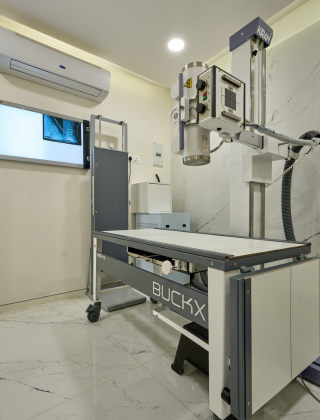
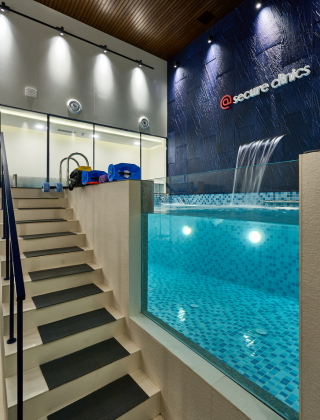
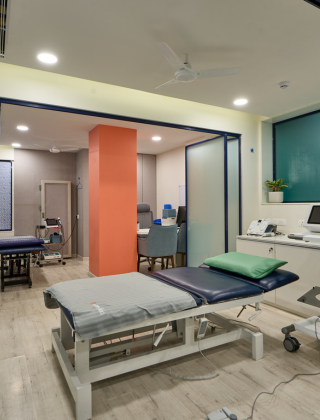
Inside Secure Clinics







From stubborn pain to chronic instability, a specialist consultation helps you choose the right surgical path.
Foot or ankle surgery may be recommended when pain, instability, deformity, or reduced mobility continues despite non-surgical treatments such as physiotherapy, medication, bracing or support, activity modification, and rehabilitation exercises. Surgery is considered when structural correction is required.
No. Many foot and ankle conditions improve without surgery. Treatment may include physiotherapy, footwear modification, activity changes, medication, and supportive devices. A comprehensive specialist evaluation helps determine the best treatment pathway.
Foot and ankle surgery may help treat ankle ligament tears, ankle instability, Achilles tendon injuries, bunions, toe deformities, flat feet, arthritis, fractures, cartilage injuries, and sports injuries. Treatment depends on the underlying condition.
Common procedures include ankle arthroscopy, ligament repair, tendon repair, fracture fixation, bunion correction surgery, deformity correction, joint reconstruction, fusion procedures, and ankle replacement surgery. The procedure depends on the diagnosis and functional requirements.
Ankle arthroscopy is a minimally invasive procedure where a small camera is inserted into the ankle joint to diagnose and treat certain problems. It may be used for cartilage injuries, joint inflammation, scar tissue, and certain ligament problems.
Some ligament injuries improve with rest, physiotherapy, strengthening exercises, and bracing. Surgery may be recommended for severe tears, repeated ankle instability, or persistent symptoms.
You should consider evaluation if you experience persistent foot or ankle pain, repeated ankle twisting, difficulty walking, swelling that does not improve, visible deformity, reduced movement, or pain affecting daily activities.
Bunion surgery corrects a deformity where the big toe shifts toward the other toes, creating a painful prominence near the joint. Surgery may help when bunions cause persistent pain, difficulty wearing footwear, walking problems, or progressive deformity.
Many flat foot conditions can be managed without surgery. Surgery may be considered when flat feet cause persistent pain, progressive deformity, tendon dysfunction, or difficulty walking.
Ankle replacement surgery involves replacing damaged ankle joint surfaces with an artificial implant. It may be considered for selected patients with advanced ankle arthritis who have significant pain and reduced movement.
Modern foot and ankle procedures are performed using advanced surgical techniques and careful planning. Safety depends on the type of condition, procedure performed, patient health, and the rehabilitation process.
Recovery depends on the type of surgery, severity of condition, healing process, and rehabilitation progress. Some procedures require protected weight-bearing, while others allow earlier movement.
Yes. Rehabilitation is an important part of recovery. Physiotherapy helps improve strength, balance, walking pattern, joint mobility, and functional movement.
Yes. Certain sports injuries may require surgery, including ligament tears, tendon injuries, fractures, cartilage damage, and chronic instability. Early diagnosis helps prevent long-term problems.
Evaluation may include physical examination, X-rays, MRI scan, CT scan, gait assessment, and other investigations if required.
Yes. Suitability depends on overall health, bone quality, condition severity, and expected improvement. Age alone does not determine eligibility.
Preparation may include medical assessment, pre-operative investigations, understanding recovery expectations, and planning mobility support after surgery.
Walking depends on the procedure performed. Some patients begin gradual weight-bearing early, while others require a period of protection for healing. Your surgeon will provide personalised guidance.
Yes, if chronic pain is caused by structural problems such as instability, arthritis, tendon problems, or previous injury complications. A detailed evaluation helps identify the cause.
Secure Clinics provides specialist orthopaedic assessment, advanced surgical techniques, personalised treatment planning, rehabilitation-focused recovery, and a complete patient care pathway. The goal is to restore comfortable movement and long-term function.
The cost depends on the type of procedure, complexity of condition, surgical requirements, hospital requirements, and rehabilitation needs. A consultation helps determine the right treatment plan. At Secure Clinics team will guide you every step of the way with clarity and keeping your comfort in mind.

& Managed by de-li