01
DEXA Scan Assessment
Bone density measurement to diagnose and monitor osteoporosis over time.

ORTHO@SECURECLINICS
Stronger Bones. Smarter Orthopaedics. Better Outcomes.
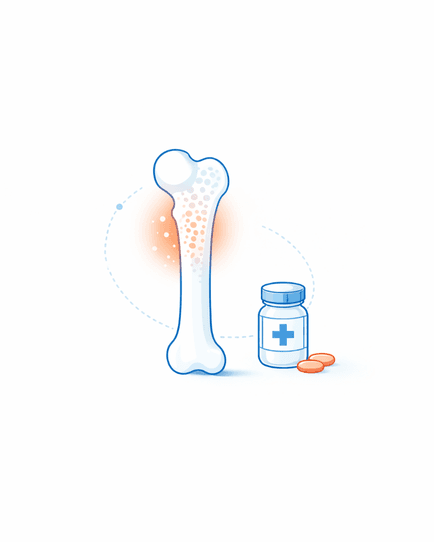
Why Orthopaedic Care At Secure Clinics?
Our goal At Secure Clinics is to protect your bone health and help you stay active.
Our specialists assess:
Every plan considers:
This allows treatment plans to be predictive, preventive and precise.
Services
Bone density measurement to diagnose and monitor osteoporosis over time.
Metabolic and hormonal workup to identify underlying causes of bone loss.
Clinical scoring and imaging correlation to predict and prevent future fractures.
Structured follow-up with periodic review to ensure treatment effectiveness.
(Prolia)Careful management of fractures occurring after minor trauma in weaker bones.
Orthopaedic management that accounts for underlying bone quality.
Evaluation and treatment of vertebral compression and instability.
Reconstructive planning for healed but malaligned fractures.
-Surgical Orthopaedic ProblemsBalanced decisions between conservative care and surgical intervention.
Benefits
Eligibility
You may benefit if you:
A structured evaluation helps guide the right treatment.
Inside Secure Clinics



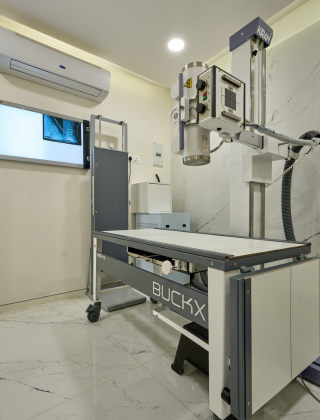



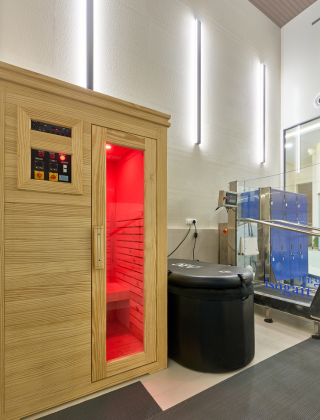
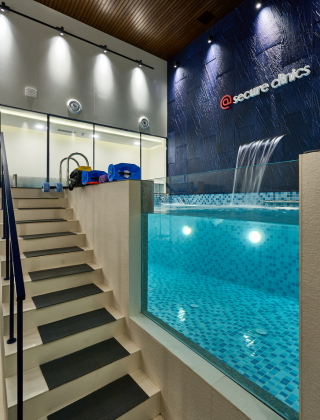
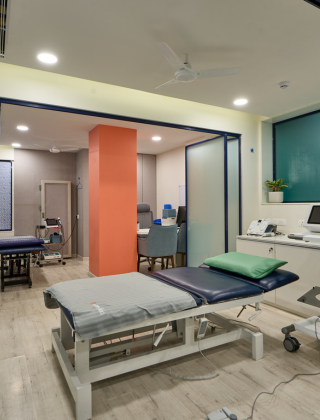
A bone-aware assessment helps prevent fractures — and makes every orthopaedic decision stronger.
Osteoporosis is a condition where bones lose density and become weaker, increasing the risk of fractures.
Osteoporosis is commonly diagnosed through a DEXA scan, which measures bone mineral density.
A DEXA scan is a bone density test that evaluates bone strength and helps identify osteoporosis or osteopenia.
Yes. Regular exercise, proper nutrition, healthy lifestyle habits and early detection can help reduce risk.
No. While risk increases with age, bone loss can occur earlier depending on health factors and lifestyle.
Yes. Appropriate weight-bearing and strength exercises can support bone health and improve muscle function.
Calcium, vitamin D, protein and other nutrients play important roles in maintaining healthy bones.
Yes. Weakened bones are more prone to fractures, sometimes even after minor falls or injuries.
Yes. Many patients can manage osteoporosis through a combination of lifestyle changes, rehabilitation, medical care and monitoring.
Osteoporosis is often called a silent condition because it may not cause noticeable symptoms in the early stages. Some signs may include reduced height, back pain, poor posture, weakness and fractures after minor injuries.
A bone density test such as a DEXA scan may be recommended if you have risk factors for bone loss, previous fractures, reduced bone strength or concerns about osteoporosis. At Secure Clinics we have a DEXA Scan in-house for all our patients.
Osteopenia means bone density is lower than normal but not as severe as osteoporosis. Osteoporosis involves greater bone loss and a higher risk of fractures.
Bone loss can often be managed and slowed with appropriate treatment, exercise, nutrition and lifestyle changes. Early diagnosis helps protect long-term bone health.
Risk may increase with increasing age, family history of osteoporosis, previous fractures, low physical activity, nutritional deficiencies and certain medical conditions or medications.
Untreated osteoporosis can increase the risk of fractures, chronic pain, reduced mobility and difficulty performing daily activities.
Orthopaedic care focuses on diagnosing and treating conditions affecting the bones, joints, muscles, ligaments, tendons, and spine. At Secure Clinics, our orthopaedic specialists manage conditions such as osteoarthritis, sports injuries, fractures, back pain, neck pain, frozen shoulder, ligament tears, hip pain, knee pain, foot and ankle disorders, and other musculoskeletal conditions using both non-surgical and surgical treatment options.
You should consult an orthopaedic specialist if you experience persistent joint pain, back pain, neck pain, swelling, stiffness, limited mobility, sports injuries, fractures, difficulty walking, or pain that does not improve with rest or medication. Early diagnosis and treatment can help prevent long-term joint damage and improve recovery outcomes.
Many orthopaedic conditions can be successfully managed without surgery. At Secure Clinics, treatment options may include physiotherapy, clinical nutrition, pain management, regenerative therapies, PRP injections, hyaluronic acid injections, aquatherapy, osteoporosis management, medications, lifestyle modification, and personalised rehabilitation programs based on your condition.
Orthopaedic surgery is usually recommended only when conservative treatments such as physiotherapy, medications, injections, or rehabilitation have not relieved your symptoms or when there is severe joint damage, fractures, ligament injuries, or advanced arthritis. Our orthopaedic specialists perform a comprehensive evaluation to determine the most appropriate treatment plan, with surgery considered only when necessary.
in Mumbai, provides comprehensive orthopaedic care through a multidisciplinary team of orthopaedic surgeons, spine specialists, physiotherapists, rehabilitation experts, pain specialists, and clinical nutritionists. We offer advanced diagnostics, personalized treatment plans, minimally invasive surgical options, robotic joint replacement, and structured rehabilitation programs to help patients reduce pain, restore mobility, and return to an active lifestyle — all under one roof with a highly qualified and skilled team coordinating your care together.

& Managed by de-li